If you are selling a luxury home in Lake Forest, pricing it high because the market is expensive is not the same as pricing it strategically. In a market where headline numbers vary and inventory can be thin in specific pockets, the right list price has to do more than sound impressive. It needs to attract serious buyers, hold up against nearby competition, and reflect what your home can truly command. Let’s dive in.
Why strategic pricing matters in Lake Forest
Lake Forest is clearly a high-value market, but the numbers tell a more nuanced story than a single median price can capture. As of April 2026, Zillow showed an average home value of about $1.2 million and a median list price of $1.655 million, while Realtor.com reported a median listing price of $1.6 million and a median sold price of $1.3 million. Redfin’s trailing view showed a median sale price of $1.279 million.
That range matters if you are preparing to sell. Active listings show what sellers hope to achieve, while sold prices show what buyers actually accepted in recent transactions. In Lake Forest, that gap is roughly $300,000 to $375,000, which means a luxury premium should be supported by facts, not assumed from the ZIP code alone.
Start with sold comps
The strongest foundation for pricing is your recent sold comparable set. Realtor.com’s guidance for Lake Forest points to three essentials: recent comparable sales, current market factors, and property features. For an upper-tier home, that means your price should begin with the closest recent sales in size, condition, lot characteristics, and overall presentation.
This step is especially important in a luxury segment, where buyers tend to be selective. NAR’s 2025 Profile of Home Buyers and Sellers found that 26% of buyers were all-cash. That suggests many high-end buyers are well-positioned financially and less likely to stretch simply because a seller aims high.
If your home is clearly superior to recent sales, there may be room for a premium. But that premium should be earned through updates, design, condition, lot appeal, and how well the home shows online and in person. If those differences are not obvious, buyers may see the price as aspirational rather than credible.
Use active listings as your reality check
Once you know your sold comp range, the next step is testing your price against current competition. Lake Forest is often described as a seller’s market, and Realtor.com does classify it that way. At the same time, Redfin describes the market as somewhat competitive and shows homes selling close to ask, with the average home selling about 1% above list.
That combination should keep sellers grounded. Healthy demand can help, but it does not remove the need for discipline. When buyers see multiple luxury options, they compare quickly and often judge value against what is available right now, not just what sold last quarter.
A smart pricing strategy asks a simple question: if your home hits the market this week, how does it stack up against every relevant competing listing? If it does not clearly win on condition, presentation, or uniqueness, the list price has to reflect that reality.
Lake Forest pricing is hyperlocal
In Lake Forest, one neighborhood or even one small pocket can behave very differently from another. Realtor.com’s neighborhood-level data shows how thin inventory can be in micro-markets, with only 5 homes for sale in Conway Farms and just 2 in places like Deerpath Hill Estates, Middlefork Farm, and Park Lane.
That kind of low inventory can shift pricing benchmarks fast. One standout listing nearby can raise buyer expectations, while one stale listing can make an ambitious price look even riskier. For that reason, pricing should not rely on broad citywide averages alone.
Nearby market data reinforces the point. In Lake Bluff, Realtor.com showed an overall median listing price of $999,500, but the Village of Lake Bluff pocket posted a median listing price of $2,027,375. The takeaway for Lake Forest sellers is clear: micro-market context matters more than citywide headlines.
How high can you price above recent sales?
There is no fixed formula for how far above recent sales a Lake Forest luxury home can be priced. The current spread between listing medians and sold medians already shows that many sellers are aiming high. Not all of those prices will be validated by the market.
If you want to price above recent sales, your home should offer a clear reason. That could include exceptional condition, a more compelling layout, stronger first-impression rooms, superior presentation, or limited direct competition in your specific pocket. Without those advantages, an aggressive list price can reduce urgency and lead buyers to wait for a correction.
In luxury markets, the first pricing decision often shapes the entire launch. A home that enters the market at a well-defended number can create momentum. A home that starts too high may spend valuable time testing the market instead of capturing demand.
Staging helps support the price
In Lake Forest’s upper-tier market, staging is not just about making a home look polished. It is part of the pricing strategy. If you are asking buyers to recognize a premium, the home has to communicate that premium clearly from the first photo to the first showing.
NAR’s 2025 Profile of Home Staging found that 29% of agents said staging led to a 1% to 10% increase in the dollar value offered. The same report found that 49% of sellers’ agents said staging reduced time on market. Buyers’ agents also said staging made it easier for buyers to visualize the property as a future home in 83% of responses.
For luxury sellers, that matters because visualization drives perceived value. When buyers can immediately understand how rooms live, flow, and feel, they are more likely to connect the asking price to the experience of the home. That is especially true when the market includes a meaningful gap between what is listed and what is actually selling.
Focus on the rooms buyers notice first
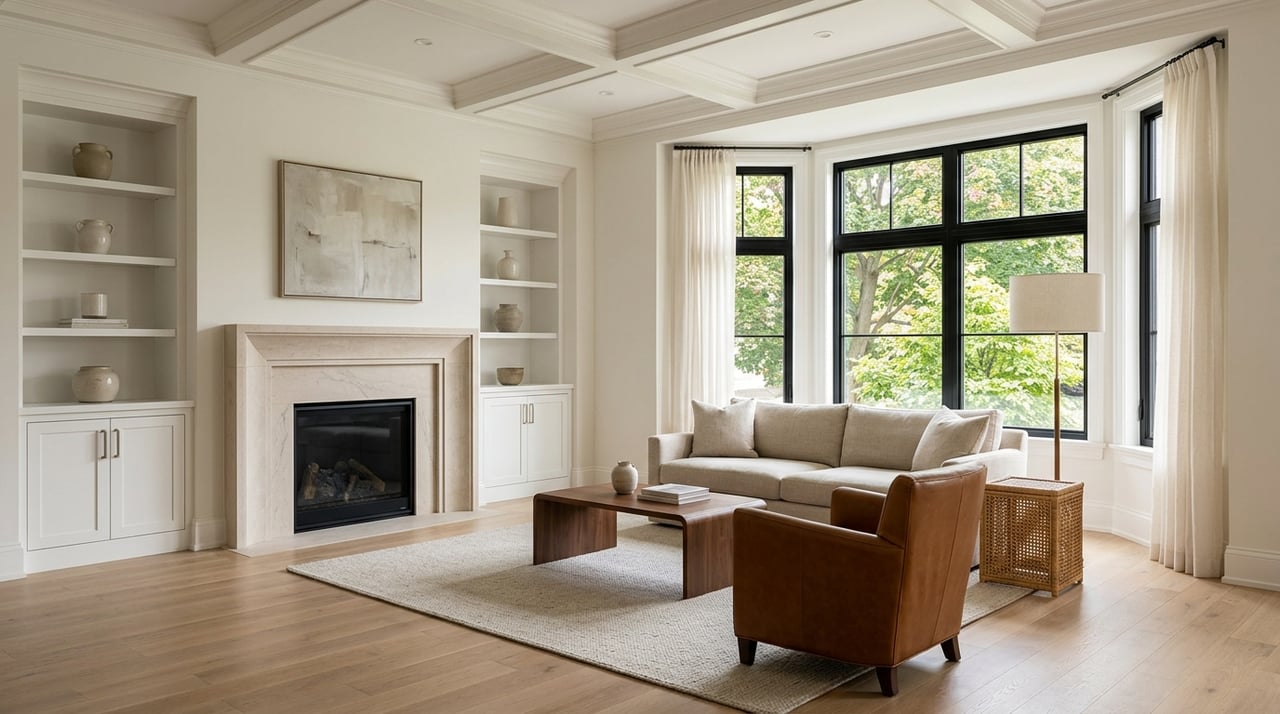
If you are preparing your home for market, not every room carries the same weight. According to NAR’s staging research, buyers care most about the living room, primary bedroom, and kitchen. Those spaces often shape a buyer’s emotional response and influence how value is judged.
That does not mean everything else should be ignored. It means your pricing strategy should be reinforced where buyers are most likely to form an opinion quickly. In a high-end listing, small presentation gaps in key rooms can make a premium feel less justified.
Anne Hardy’s room-by-room preparation approach fits this moment well. For sellers in Lake Forest, hands-on staging guidance and polished listing media can help defend the asking price by making your best features easier for buyers to see and remember.
Media matters as much as the house
Luxury buyers often form their first impression online, long before they schedule a showing. NAR’s staging report also highlighted the value of photos, traditional staging, videos, and virtual tours. In practical terms, that means your list price should be supported by marketing materials that match the level of the home.
If the photography is flat or the presentation feels unfinished, buyers may discount the property before they ever walk through the door. On the other hand, strong visual marketing can help buyers understand why your home deserves serious attention in a crowded price category.
This is where pricing and marketing work together. A strong number without strong presentation can feel inflated. A strategic price paired with thoughtful staging and professional media gives buyers a more complete reason to act.
A practical pricing framework for sellers
If you are getting ready to list, think of Lake Forest pricing as a three-part exercise:
- Align to the sold comp set based on the most relevant recent sales.
- Test against current competition in your neighborhood or micro-market.
- Support the number with staging and media so the value is clear from day one.
That framework helps balance ambition with credibility. It also reduces the risk of chasing broad market headlines that may not reflect your exact home, your exact competition, or your exact buyer pool.
The goal is not to underprice a luxury property. The goal is to position it where serious buyers will recognize the value, engage early, and help you protect leverage during the sale.
If you want a pricing strategy that matches Lake Forest’s luxury market and your home’s unique strengths, Anne Hardy offers the hands-on preparation, staging guidance, and local market insight that help sellers move forward with confidence.
FAQs
How should Lake Forest luxury sellers set a listing price?
- Start with recent sold comparables, then compare your home against current competing listings in your specific Lake Forest pocket, and use presentation and staging to support the final number.
Is Lake Forest a seller’s market for luxury homes?
- Realtor.com classifies Lake Forest as a seller’s market, but Redfin describes it as somewhat competitive and shows homes selling close to ask, so careful pricing still matters.
Can a Lake Forest home be priced above recent comparable sales?
- Yes, but only when the premium is supported by condition, presentation, property features, and limited direct competition in the immediate micro-market.
Why does micro-market pricing matter in Lake Forest?
- Inventory can be very limited in specific Lake Forest pockets, so one nearby listing or sale can shift the benchmark for that small area more than broad citywide medians do.
Is staging worth it for a Lake Forest luxury listing?
- NAR’s 2025 staging data suggests yes, especially because staging can help buyers visualize the home, support stronger offers, and reduce time on market.
Which rooms matter most when pricing and staging a luxury home?
- NAR’s research found buyers focused most on the living room, primary bedroom, and kitchen, so those rooms should strongly support your pricing strategy.