Thinking about buying a historic home in Highland Park, Rock Island? It can be an exciting move, but it also comes with questions that newer homes usually do not. If you love original details, brick streets, and houses with real architectural character, you also need to understand inspection priorities, city review rules, and possible tax benefits before you buy. Here’s what to know so you can move forward with more confidence.
Highland Park’s historic character
Highland Park Historic District is a locally designated historic district in Rock Island, bounded by 20th and 24th Streets and 16th and 18th Avenues. According to the City of Rock Island, its character is shaped by notable architecture, original brick streets, and homes built by prominent residents in the early twentieth century.
The neighborhood was first platted and promoted in 1895 as a country enclave of fine homes. Most development took place from 1895 to 1928, and the final home was built in 1940. The city also notes that Highland Park is Rock Island’s only locally designated historic residential district.
For buyers, that means you are not just purchasing square footage. You are buying into a neighborhood with a defined historic identity, established design patterns, and rules intended to protect its exterior character.
Architectural styles you may see
One of Highland Park’s strengths is variety. This is not a neighborhood where every home looks the same, and that can make your search more interesting if you appreciate architecture.
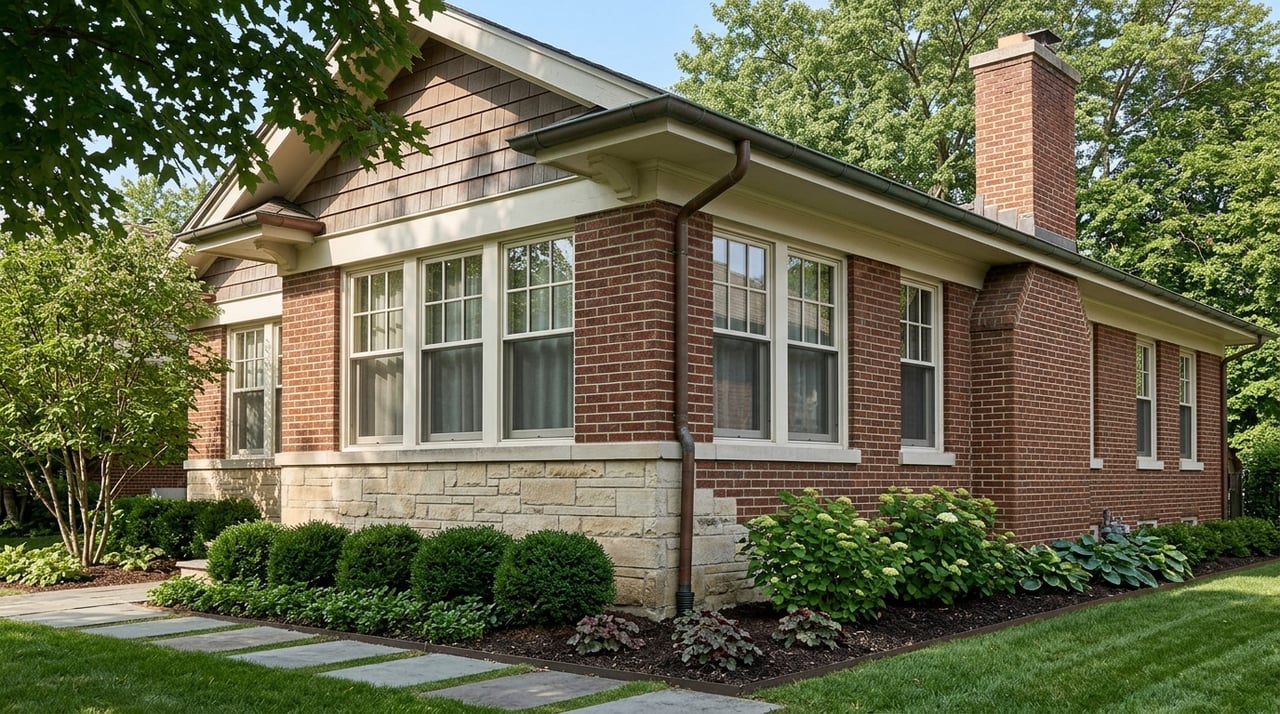
Early homes in the district include Queen Anne and Classical Revival styles. After 1904, four-square interpretations became common, and by 1911 Craftsman influence was especially strong.
Later pre-World War I homes also include Colonial Revival, Spanish Mission, and bungalow forms. The city highlights a Spanish Colonial Revival house at 1720 22nd Street and an English Cottage house at 1702 21st Street as notable examples.
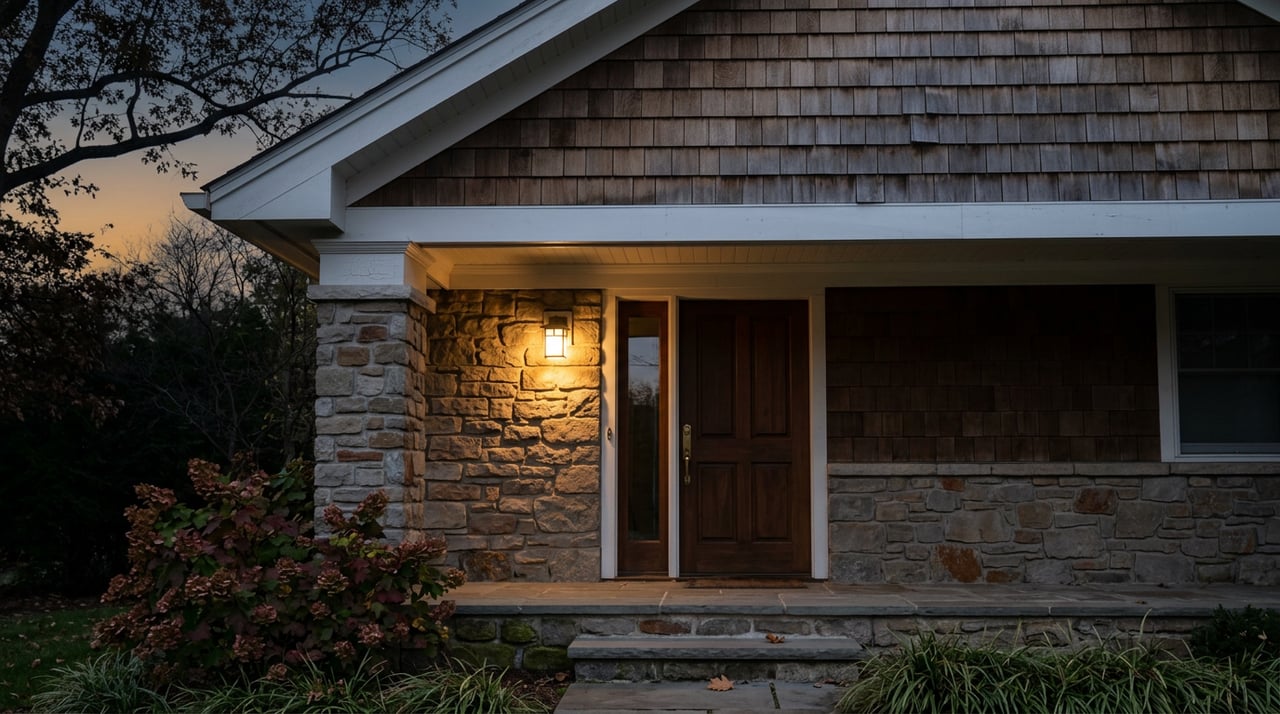
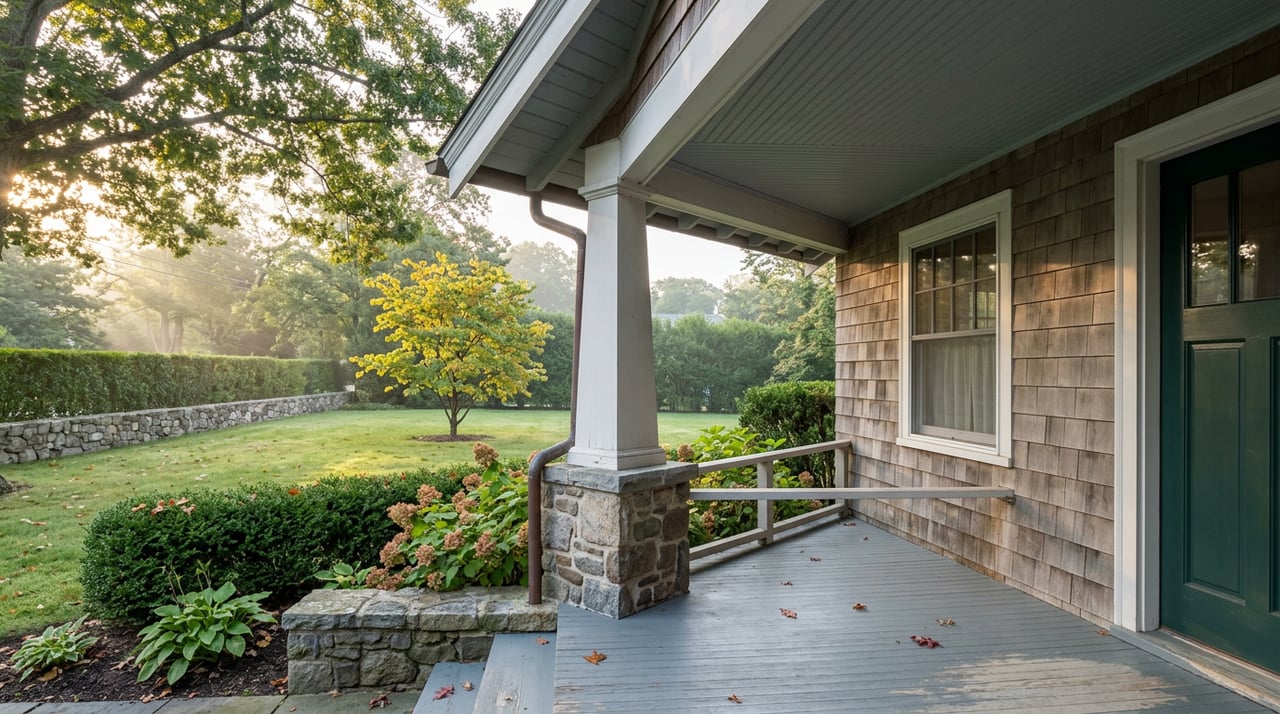
If you are touring homes here, it helps to look beyond finishes and staging. Pay attention to form, materials, windows, rooflines, porches, and decorative details, since those features often shape both long-term upkeep and what changes may need approval later.
Confirm whether the home is in the district
Before you get too far into the buying process, verify whether the property is within the Highland Park Historic District. This is one of the most important first steps because district status affects exterior work and review requirements.
A useful starting point is Rock Island’s Historic Structures Inventory. The city says buyers can use it to check designation, architect or builder, architectural style or type, decade of construction, and street or avenue.
This can help you understand whether a property is a landmark, a contributing structure within the district, or simply an older home with historic character. That distinction matters if you are planning repairs, updates, or future additions.
Know what changes may need approval
In Highland Park, exterior changes are not handled the same way they are in a typical neighborhood. Rock Island’s Preservation Ordinance created a Certificate of Appropriateness, or COA, review process, and that process applies to exterior work that affects the property’s appearance.
The city states that a COA is required for construction, alteration, demolition, repair, or relocation that affects the exterior appearance of the property. Common review items include:
- Windows
- Siding
- Doors
- Storm windows and storm doors
- Porches
- Exterior decorative elements
- Decks
- Garages
- Roof features
- Skylights
- Sidewalks
- Driveways
- Fences
- Trees over 18-inch caliper
- Pools
- Gazebos
This is where many buyers are surprised. Even some changes that do not require a building permit may still require preservation review, especially if they involve decorative features like brackets, molding, or leaded or stained glass windows.
At the same time, the city says some work is exempt. Exact replacement-in-kind, routine repairs and maintenance, color changes, scraping and repainting surfaces, and minor landscape alterations do not require a COA.
If you are buying with renovation plans in mind, ask early which updates are cosmetic, which are exempt, and which may need formal review. That simple step can save time, money, and frustration later.
Focus inspections on moisture and masonry
Older homes need a different inspection lens, especially in a district where many houses are brick or brick veneered. In Highland Park, masonry and moisture management should be high on your checklist.
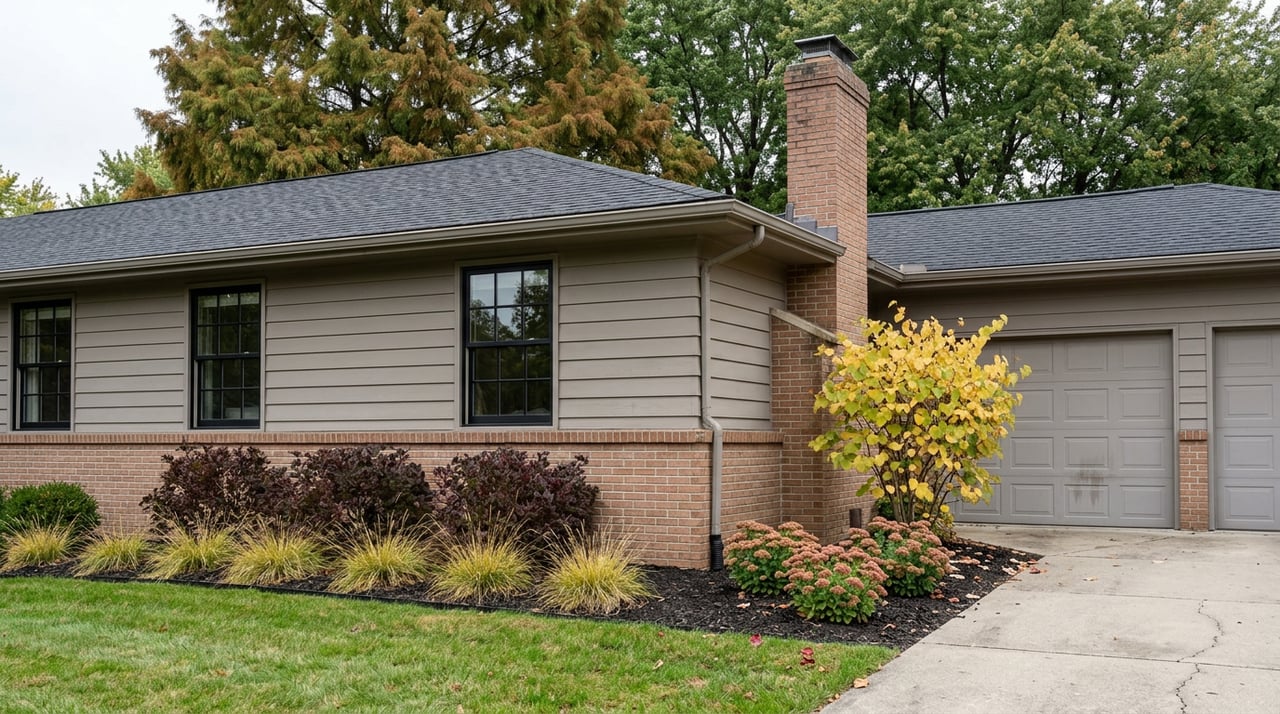
The National Park Service warns that improper repointing can damage masonry. It also notes that leaking downspouts can contribute to mortar loss, which is why buyers should look closely at mortar joints, flashing, and drainage.
Moisture is another major issue. The National Park Service identifies uncontrolled moisture as a common cause of deterioration in historic buildings, so your inspection should pay close attention to grading, gutters, downspouts, and ventilation.
If water is not moving away from the house properly, problems can spread far beyond one damp area. Over time, moisture can affect masonry, wood, interior finishes, and even structural components.
Treat the roof as a system
When you buy an older home, the roof is not just about shingles. The National Park Service says a weather-tight roof is basic to preservation, and roof failure can speed up damage to masonry, wood, plaster, and paint.
That is why it helps to think of the roof as part of the entire exterior envelope. Roofing materials, flashing, drainage details, and transitions around chimneys or dormers all deserve careful review.
Historic roofing materials should not be treated as automatically interchangeable with modern options. If a roof needs attention, make sure your inspector and any future contractors understand that older homes often require a more informed, material-specific approach.
Ask whether windows and woodwork are repairable
Historic windows are often one of the first things buyers notice, and one of the first things they wonder about replacing. But replacement is not always the right first move.
National Park Service guidance says repair should be the first option for historic windows. It also notes that sample repairs can help determine whether restoration is feasible.
The same repair-first mindset applies to painted wood features. Harsh paint removal methods can permanently damage historic wood surfaces, so if trim, sashes, or exterior details need work, ask whether careful repair is possible before assuming full replacement is necessary.
This matters for both budget and preservation. Original materials often contribute significantly to the home’s look and may also factor into city review if exterior changes are proposed.
Understand lead paint risks before renovating
Because many Highland Park homes were built before 1978, lead-based paint may be present. That does not mean every older home is unsafe, but it does mean you should approach renovations with care.
The EPA recommends testing before renovation work that could disturb old paint. It also says buyers of most pre-1978 homes have the right to know about known lead hazards and receive a 10-day inspection period.
If you plan to update windows, sand trim, remove old paint, or open walls, ask the right questions during due diligence. For renovation work that disturbs painted surfaces, the EPA advises hiring lead-safe certified contractors.
Explore the Illinois assessment freeze
If you are considering a substantial rehabilitation, the Illinois Historic Residence Assessment Freeze may be worth discussing early. This program applies to eligible owner-occupied principal residences in approved historic districts or landmark properties, and Rock Island is among the approved local governments.
The state says qualifying properties can receive an eight-year assessment freeze followed by a four-year step-up period. To qualify, the rehabilitation must be sensitive and substantial, and eligible expenses must equal or exceed 25 percent of the property’s fair cash value.
Timing matters here. The state advises owners to contact the State Historic Preservation Office early, before starting work, because work done before approval is at the owner’s risk.
For buyers, this means the incentive may be part of the long-term financial picture, but only if you plan ahead and confirm eligibility before beginning a major project.
Build the right historic-home team
A historic home purchase usually works best when you have the right specialists involved from the start. For larger preservation jobs, the National Park Service recommends working with architects, architectural conservators, historic preservation consultants, and contractors who understand historic materials.
That does not mean every home needs a major restoration team. It does mean you should be thoughtful about who evaluates the property and who performs future work.
If you are buying in Highland Park, a strong due diligence process often includes confirming district status, understanding exterior review rules, and asking detailed questions about moisture, masonry, windows, roofing, and lead risk. A little more homework up front can make the ownership experience much smoother.
Buying a historic home can be deeply rewarding when you go in with clear expectations. If you want thoughtful guidance as you evaluate homes, renovation plans, and next steps, Anne Hardy is here to help you move forward with clarity and confidence.
FAQs
What is the Highland Park Historic District in Rock Island?
- It is a locally designated historic residential district in Rock Island, bounded by 20th and 24th Streets and 16th and 18th Avenues, known for its architecture and original brick streets.
What exterior changes need approval for a Highland Park historic home?
- In Highland Park, a Certificate of Appropriateness is required for exterior work that affects appearance, including many changes to windows, doors, porches, roofs, garages, driveways, fences, and other visible features.
How can you verify if a Rock Island home is in the historic district?
- You can start with Rock Island’s Historic Structures Inventory, which lists details such as designation, architectural style or type, decade of construction, and location.
What should you inspect first in a Highland Park historic home?
- Buyers should pay close attention to mortar joints, flashing, drainage, grading, gutters, downspouts, ventilation, roofing materials, and signs of water intrusion.
Are original windows in a historic home always replaced?
- Not necessarily. National Park Service guidance says repair should be considered first, and sample repairs can help determine whether original windows can be preserved.
Does lead paint matter when buying an older Highland Park home?
- Yes. Because many homes in the district were built before 1978, lead-based paint may be present, so buyers should ask about known hazards, testing, and renovation plans that could disturb painted surfaces.
Is there a tax incentive for rehabbing a historic home in Rock Island?
- Illinois offers a Historic Residence Assessment Freeze for eligible owner-occupied principal residences in approved historic districts or landmark properties, subject to project and spending requirements.