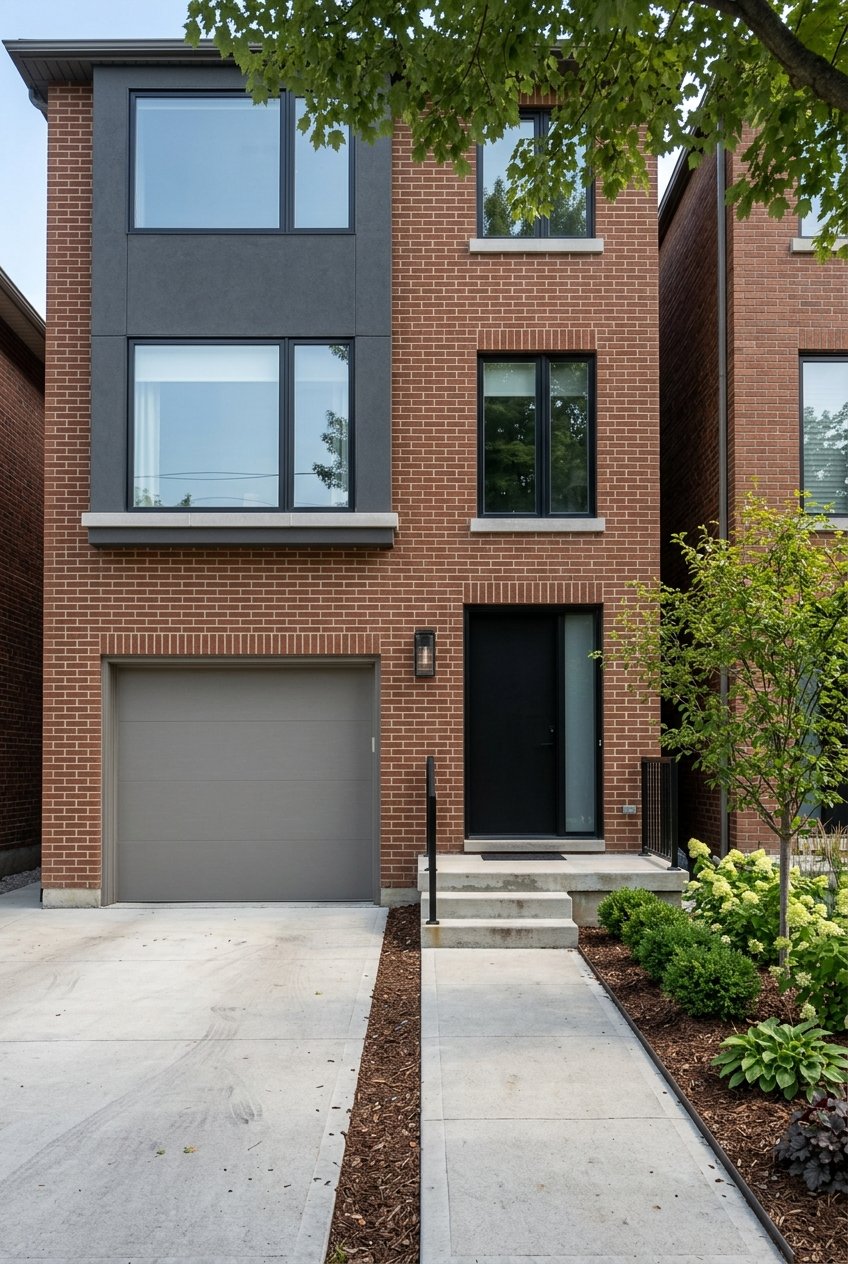
If you are shopping for a townhome in Vernon Hills, you are not just choosing a floor plan. You are also choosing a location, a monthly cost structure, and a shared community system that can shape your day-to-day life. The good news is that with the right questions, you can narrow your options with confidence and avoid surprises later. Let’s dive in.
Start With Vernon Hills Convenience
A townhome can look perfect online and still feel wrong once you live in it every day. That is why location should come first, especially in a place like Vernon Hills where transit, shopping, and everyday errands can vary a lot by address.
If rail access matters to you, Vernon Hills has a Metra North Central Service stop with inbound service to Chicago Union Station and outbound service to Antioch. The village also manages station parking, with 680 spaces, a daily parking rate of $1.75, a two-month permit for $55, and seven long-term spaces with a 10-day maximum. If commuting is part of your routine, those details should be part of your home search, not an afterthought.
Vernon Hills also offers access to Pace bus, Dial-a-Ride, Metra, taxis, and a senior taxi program through local community resources. That can be especially useful if your household wants more than one way to get around or if you are planning for long-term convenience.
For errands and dining, Vernon Hills has major retail destinations that can affect how easy your daily life feels. Mellody Farm describes itself as an open-air shopping and dining destination with 270,000 square feet of retail, while the Hawthorn Mall area is being redeveloped into a mixed-use destination with retail, dining, entertainment, residences, and green space.
Questions to Ask About Location
- How often will you use the Metra station?
- Does station parking fit your routine and budget?
- How easy is the drive or walk to groceries, dining, and daily errands?
- Will the route to work, shopping, or appointments still feel convenient on busy days?
- Do you want access to bus, taxi, or Dial-a-Ride options?
Compare Floor Plans, Not Just Size
Square footage matters, but layout usually matters more once you move in. A townhome that looks large on paper can still feel awkward if the storage is limited, the stairs are a hassle, or the laundry is in the wrong place.
The right floor plan depends on how you live now and how long you expect to stay. Buying and selling a home comes with real costs, so it helps to choose a layout that works today and still makes sense if your needs shift over the next few years.
If you are buying your first townhome, you may care most about flexible bedroom space, a usable kitchen, and enough storage to avoid outgrowing the home too quickly. If you are downsizing, you may put more weight on fewer stairs, a main-level primary suite, manageable cleaning, and an easy path between the garage, kitchen, and laundry.
In Vernon Hills, some townhomes may be structured as common interest communities. Under Illinois law, that means declarations, bylaws, and rules help define what is individually owned and what is shared. That legal structure can affect maintenance responsibilities, use of outdoor spaces, and how the property functions over time.
What to Compare During Tours
- Bedroom and bathroom count
- Garage size and depth
- Laundry placement
- Storage space
- Patio or balcony size
- Shared-wall noise transfer
- Stair layout and daily accessibility
- Exterior maintenance expectations
Look Closely At HOA Dues And Rules
One of the biggest mistakes buyers make is focusing on the mortgage payment and overlooking association costs. For a townhome, HOA or condo dues can be a major part of your monthly housing budget.
These dues are usually paid directly to the association and are generally not included in the mortgage payment. Your true monthly cost should account for principal, interest, taxes, insurance, and HOA fees together.
Just as important as the amount of the dues is what those dues support. Fees often help cover day-to-day operations and reserve fund contributions, while special assessments are separate one-time charges that owners may need to pay when larger expenses arise.
In Illinois, resale document rules give buyers a useful way to evaluate the association before closing. For common interest communities, the board must make available key items such as the declaration, rules, unpaid assessments, planned capital expenditures, reserve fund status, financial condition, pending litigation, and insurance coverage. Condominium resales have similar disclosure requirements.
HOA Questions Worth Asking Early
- What are the current monthly dues?
- What do the dues cover?
- Are there any unpaid assessments tied to the unit?
- Have there been any recent or planned special assessments?
- How strong are the reserves?
- Is there pending litigation involving the association?
- Are there rental caps or leasing limits?
- What are the rules for exterior changes?
Put Pet Policies And Parking Under A Microscope
Two townhomes with similar prices can feel very different once you understand the rules. That is why pet policies and parking deserve a close review before you make an offer.
Bylaws and rules may regulate daily-use issues such as rentals, exterior standards, and how shared areas are used. For many buyers, the most practical questions involve pets, guest parking, driveway rules, garage use, and whether the community setup supports the way they actually live.
Parking matters both at home and beyond it. If your household has multiple cars, frequent visitors, or regular train commuters, you will want a clear picture of where cars can go, what spaces are assigned, and whether overflow parking becomes a headache.
Daily-Life Details To Confirm
- Pet limits or restrictions
- Guest parking availability
- Assigned versus open parking
- Driveway and garage rules
- Balcony, patio, or exterior-use rules
- Trash and recycling procedures
- Rental restrictions
- Any signs of parking shortages at busy times
Understand The Document Timeline
Association documents can affect both your decision and your closing timeline. In Illinois, timing rules differ based on the legal structure of the property, so it helps to request documents as early as possible.
For a common interest community resale, the required information must be furnished within 30 days after a written request. For a condominium resale, the required information must be furnished within 10 business days after a written request.
That timing matters because buyers often want to review budgets, rules, reserves, insurance information, and any special assessment history before moving forward with confidence. Starting early can help reduce last-minute stress and avoid preventable closing delays.
Think About Resale Before You Buy
The best townhome for you should work now, but it should also make sense to a future buyer. Resale value is not just about finishes or price per square foot. It is also about whether the property feels practical, well-run, and easy to live in.
A future buyer is likely to notice many of the same things you are noticing today. They will care about total monthly cost, reserve health, any special assessment risk, owner-occupancy patterns, parking convenience, and whether the location supports daily life.
In Vernon Hills, retail and mixed-use investment may also support long-term appeal in a practical sense. The ongoing Hawthorn Mall redevelopment and the presence of Mellody Farm add to the area’s convenience for shopping, dining, and everyday use.
Signs A Townhome May Hold Broad Appeal
- A functional, flexible layout
- Reasonable monthly dues
- Clear, organized association documents
- Healthy reserves and manageable assessment history
- Practical parking
- Convenient access to commuting and errands
- A location that still feels easy after the excitement of move-in wears off
Use A Smart Touring Strategy
A strong tour is about more than checking finishes and room sizes. You want to understand how the home and the community function at different times and in real conditions.
Try to visit more than once if you can. A second visit can reveal parking turnover, traffic flow, noise, and how active the common areas feel during a normal day.
It is also smart to verify whether the property is condo-style or part of a common interest community townhome structure. That distinction can affect disclosures, insurance questions, and the rules you will live under after closing.
Vernon Hills Townhome Touring Checklist
- Visit at more than one time of day
- Test the route to work, shopping, or the Metra station
- Ask for the declaration, bylaws, and rules
- Review the budget and reserve information
- Ask about special assessment history
- Confirm pet, parking, and rental rules
- Check how the garage, kitchen, and laundry connect
- If you plan to commute by train, confirm whether the $1.75 daily Metra parking fee or $55 permit fits your routine
- If mobility options matter, confirm access to Pace bus, Dial-a-Ride, taxis, or senior taxi resources
Choosing the right townhome in Vernon Hills comes down to fit. The best option is usually the one that balances layout, association health, parking, and location in a way that supports how you actually live. If you want help comparing Vernon Hills townhomes with a clear eye on both lifestyle and resale, Anne Hardy can guide you through the details with a hands-on, thoughtful approach.
FAQs
What should you review before buying a townhome in Vernon Hills?
- You should review the location, floor plan, HOA dues, rules, parking setup, pet policies, reserve information, and any special assessment history.
How do HOA dues affect a Vernon Hills townhome budget?
- HOA dues are usually separate from your mortgage payment, so your monthly budget should include principal, interest, taxes, insurance, and association fees together.
Why do association documents matter for Vernon Hills townhome buyers?
- Association documents can show the rules, financial condition, reserve status, insurance coverage, and any unpaid or planned assessments that may affect your ownership experience.
What transportation options should Vernon Hills townhome buyers consider?
- Buyers should consider access to the Metra North Central Service station, village-managed station parking, Pace bus, Dial-a-Ride, taxis, and senior taxi resources.
How can you tell if a Vernon Hills townhome may have good resale appeal?
- A townhome may have broader resale appeal if it offers a functional layout, reasonable dues, healthy reserves, practical parking, and a convenient location for everyday living.