Looking at Gurnee from the outside, it is easy to think the village is all roller coasters, outlet shopping, and weekend traffic. But if you are considering a move here, daily life tells a more complete story. Beyond the attractions, Gurnee offers an established suburban setting with a strong homeowner base, practical conveniences, and a routine shaped by neighborhoods, parks, errands, and community events. Let’s dive in.
Gurnee at a glance
Gurnee had an estimated 30,546 residents in 2024, according to the U.S. Census. The village also has a notably high owner-occupancy rate, with 76.1% of occupied homes owner-occupied. That points to a community where many residents are putting down roots rather than passing through.
The same Census data shows a median owner-occupied home value of $344,300, a median gross rent of $1,655, and an average household size of 2.59. For you as a buyer, seller, or relocating household, those numbers help paint a picture of a mature suburban market with a stable residential feel.
Location is also a major part of everyday life here. The Village of Gurnee notes that it sits right off I-94 at non-tolled intersections, roughly between Chicago and Milwaukee. That regional access supports commuting, shopping, and travel, while also helping explain why Gurnee often feels more connected than a typical outer-ring suburb.
What Gurnee neighborhoods feel like
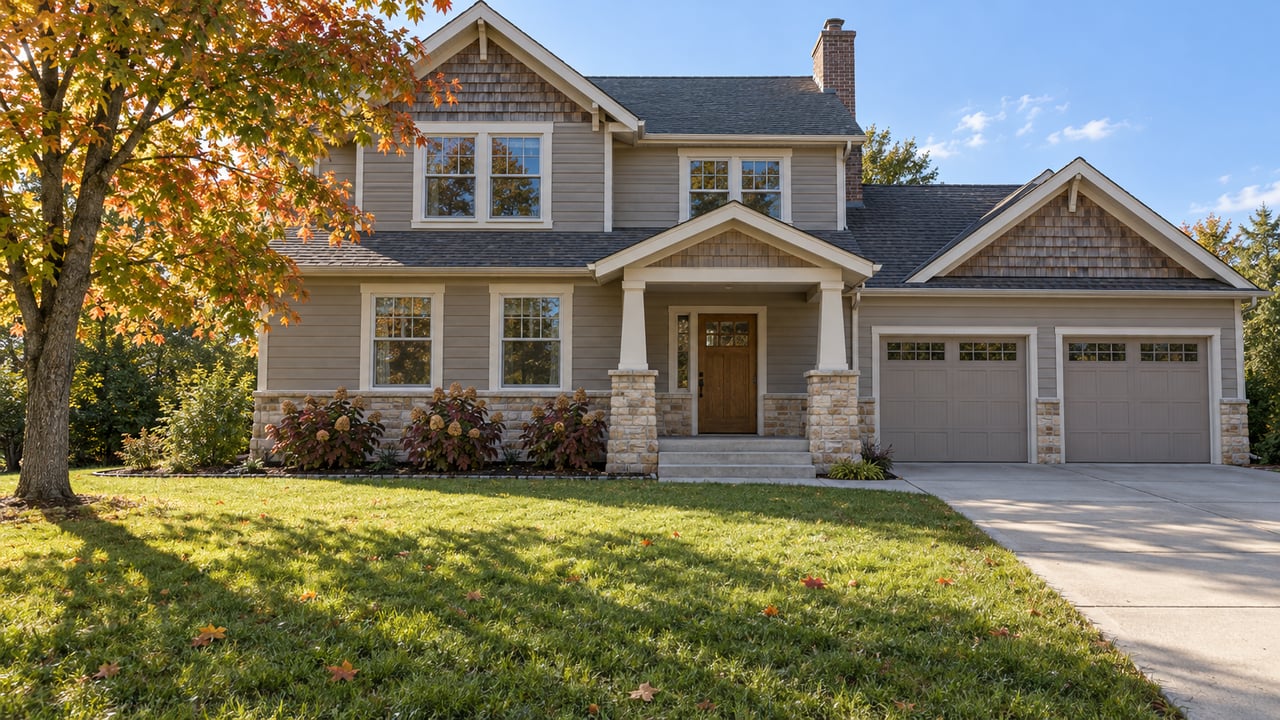
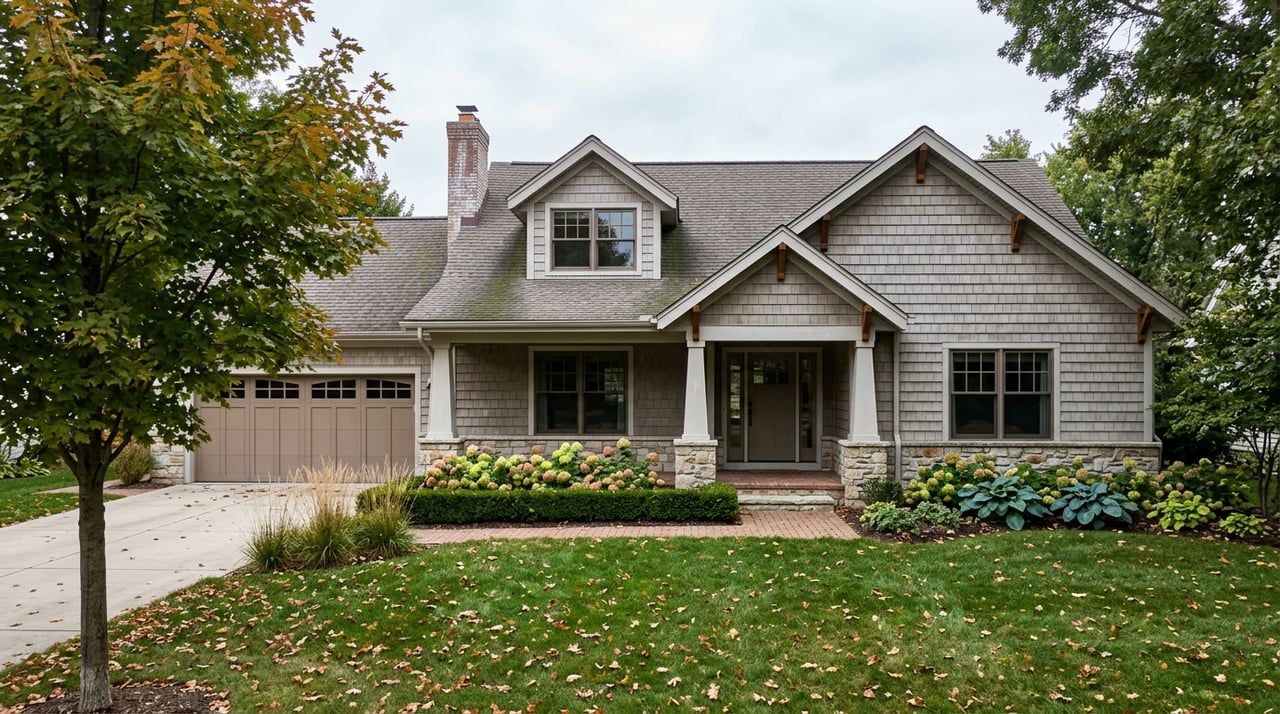
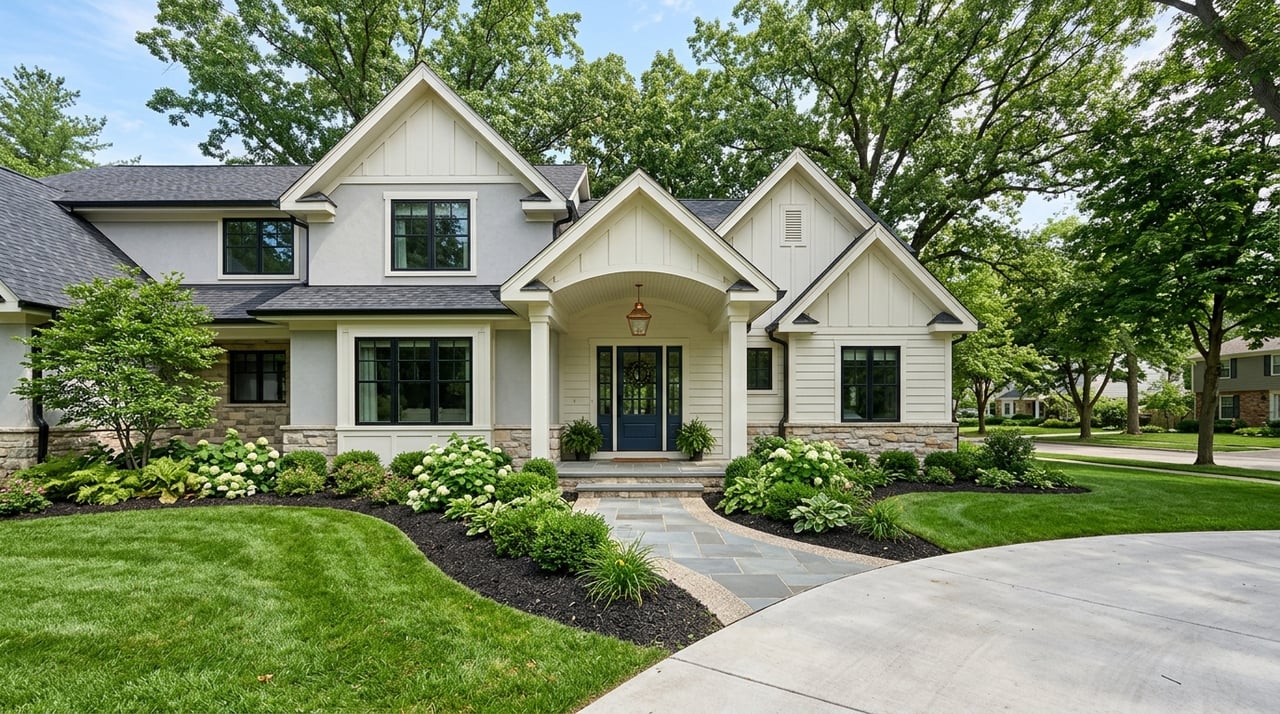
Gurnee’s comprehensive plan describes the village as predominantly single-family in character. Low-density residential areas are intended to preserve the feel of large-lot neighborhoods, while medium-density areas include a mix of townhomes, attached homes, and two-family housing near transportation corridors.
In practical terms, that means your day-to-day experience in Gurnee will likely depend on where you live within the village. Some areas lean more toward quiet interior residential streets, while others are closer to busier commercial routes and service corridors.
The planning documents also suggest that Gurnee does not revolve around one traditional downtown. Instead, community life is spread across several areas, which gives the village a more functional, suburban layout. For many residents, that translates to convenience and space rather than a compact, walk-everywhere pattern.
Village center living
One important community node is the village-center area around O’Plaine Road between Grand Avenue and Washington Street. Gurnee’s plan identifies this area as a mix of residential and public uses, including Village Hall, the post office, the library, Warren Township High School, and the police department.
That matters because it gives part of Gurnee a civic center feel. Even in a car-oriented suburb, having public services and community destinations grouped together helps anchor daily routines.
Corridor convenience
East Grand Avenue offers a different kind of daily experience. The village describes it as a commercial corridor with older strip centers and freestanding businesses, and its local business materials highlight a broad mix of shops and services.
You will find practical stops here rather than a downtown atmosphere. Insurance offices, salons, restaurants, thrift stores, auto services, laundries, and specialty businesses all reinforce the idea that much of Gurnee’s commercial life is built around convenience and regular errands.
Parks and recreation shape the routine
For many households, everyday life in Gurnee is defined as much by park schedules and trail walks as by home and work. The Gurnee Park District maintains 28 parks, 406 acres, and 14 walking trails, along with community centers, an aquatic center, and fitness facilities.
That kind of park system gives you options across seasons and age groups. It also means recreation in Gurnee is not limited to occasional outings. It is often part of the weekly routine.
The village’s comprehensive plan also points to a broad network of open space, including the Des Plaines River, wetlands, wooded areas, and floodplain spaces. Long term, the village has emphasized better neighborhood connections to parks and trails through a greenway system, which supports the outdoor side of suburban living.
Year-round programs for daily life
The park district’s offerings suggest a steady, family-oriented rhythm throughout the year. Programs include youth athletics, preschool, after-school care, swim lessons, fitness, pickleball, tennis, dance, and theatre.
That matters if you are trying to picture what life here actually looks like. In many cases, it looks less like tourism and more like weeknight practices, weekend classes, trail walks, and seasonal programs close to home.
Shopping and errands in real life
Yes, Gurnee is known for major retail. But for residents, shopping is not only about destination visits. It is also about having a range of options for both one-stop convenience and smaller daily needs.
Gurnee Mills remains the area’s biggest retail anchor. Simon describes it as Illinois’ largest outlet and full-price retail shopping destination, with nearly 200 stores, two food courts, dining, entertainment, ice skating, bowling, and movies.
For you as a resident, that kind of center can function as more than a tourist draw. Simon also notes practical features like mall-walking hours, family rooms, charging stations, parking, restrooms, and PACE Bus Route 565 access. Especially during colder months, it can be part of regular life, not just a special outing.
Local businesses matter too
At the same time, the Village of Gurnee encourages residents to support East Grand Avenue and shop small year-round. Its local business messaging describes independent businesses as the heart of the community, with neighborhood bakeries, coffee shops, restaurants, salons, and stores contributing to day-to-day convenience.
That balance is part of what makes Gurnee distinct. You get a regional retail presence, but you also get local service corridors that support regular life close to home.
Traffic, pace, and the feel of daily living
One of the most important things to understand about Gurnee is that it can feel busier than a typical bedroom suburb. The Gurnee Fire Department reports that while the department protects about 60,000 people in a 30-square-mile area, the daytime population rises above 150,000, and Six Flags alone contributes about 3 million visitors each year.
That visitor and employment traffic shapes the experience on major roads and near large commercial areas. If you are relocating to Gurnee, it helps to expect a difference between the high-activity corridors and the more residential interior sections of the village.
According to the comprehensive plan, lower-density neighborhoods are buffered from more intense uses. In plain terms, that helps explain why Gurnee can feel active and highly commercial in one part of town, then much quieter once you turn into a residential area.
A full-service village for everyday needs
Another overlooked part of life in Gurnee is the local service infrastructure residents rely on every day. The village presents itself as a full-service community, with police, fire and EMS, public works, permitting, stormwater management, and other resident-facing services.
You may not think about these systems first when you start a home search, but they shape daily comfort and predictability. In an established suburb, that kind of municipal support often becomes part of what makes a place feel workable over the long term.
Community life beyond shopping
Gurnee also has a civic and seasonal side that goes beyond retail and entertainment. The park district’s Gurnee Days programming, the village’s Arts Commission activity, and the local events calendar all point to recurring public events and gatherings.
That gives the village a more connected hometown feel than its tourist reputation might suggest. If you live here, community life can include festivals, local programming, and public spaces that help mark the seasons and bring residents together.
What this means if you are moving to Gurnee
If you are considering Gurnee, the big takeaway is simple. This is not just a destination-driven market. It is a suburban village with established neighborhoods, a strong owner-occupied base, substantial park access, practical shopping corridors, and a daily rhythm shaped by both convenience and community routines.
For some buyers, that mix will be especially appealing. You may appreciate the access to I-94, the variety of housing types, the everyday usefulness of local retail, and the balance between busy corridors and calmer residential areas.
If you want help understanding how a specific part of Gurnee fits your lifestyle goals, commute, or housing needs, working with a local advisor can make the picture much clearer. When you are ready to talk through your move, connect with Anne Hardy for a free consultation.
FAQs
What is everyday life in Gurnee like for residents?
- Everyday life in Gurnee is shaped by suburban neighborhoods, parks, errands, community programs, and regional shopping, with busier major corridors and quieter interior residential areas.
Is Gurnee mostly a tourist area or a residential community?
- Gurnee is both, but the data shows it is also a well-established residential community with 30,546 residents in 2024 and a 76.1% owner-occupancy rate.
What types of homes are common in Gurnee?
- Gurnee’s comprehensive plan says the housing stock is predominantly single-family, with low-density large-lot neighborhoods and some attached and medium-density housing near transportation corridors.
Are parks and recreation a big part of life in Gurnee?
- Yes. The Gurnee Park District maintains 28 parks, 406 acres, and 14 walking trails, plus community centers, an aquatic center, fitness facilities, and year-round programming.
Where do Gurnee residents handle everyday shopping and errands?
- Residents use both major retail destinations like Gurnee Mills and local service corridors such as East Grand Avenue for day-to-day shopping, dining, and errands.
Does Gurnee have a traditional downtown area?
- Gurnee’s planning documents suggest community life is spread across multiple nodes rather than centered around one dominant downtown core.